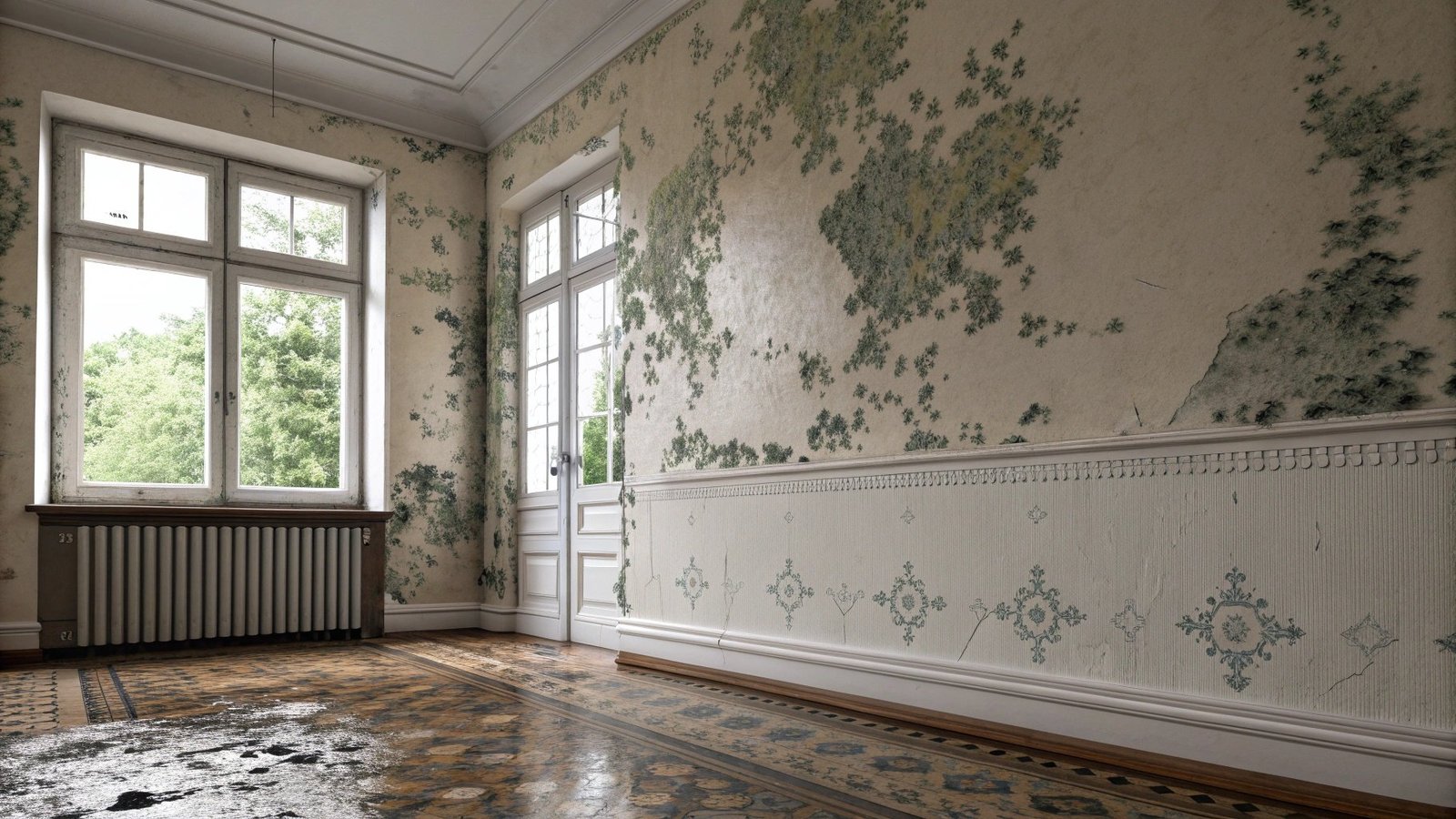
Damp is one of the most common issues that local surveyors find during property inspections across the UK. When home buyers make contact with My Local Surveyors Direct seeking building surveys, moisture problems are often their primary concern – and with good reason. Left untreated, damp can cause serious structural damage, health issues, and expensive repairs.
In this comprehensive guide, our network of building surveyors explain everything you need to know about damp problems in residential properties. Whether you're buying a property, dealing with existing moisture issues, or simply want to understand what surveyors look for during inspections, this article provides the information i required to make informed decisions.
Why Damp Matters: More Than Just Cosmetic
Many first-time buyers underestimate damp problems, viewing them as minor inconveniences. However, building surveyors who carry out detailed inspections know that moisture issues can indicate deeper problems and lead to significant damage if not addressed promptly.
The consequences of untreated damp include:
- Structural deterioration: Timber decay, masonry damage, and corrosion of metal elements
- Health concerns: Mould growth causing respiratory problems, allergies, and asthma
- Property devaluation: Significant impact on resale value and mortgage availability
- Increased energy costs: Damp walls have poor insulation properties
- Interior damage: Ruined decorations, damaged furniture, and unpleasant odours
Customers with suppliers from our network consistently report that understanding damp issues helped them negotiate better property prices or walk away from problem purchases. The efficient service provided by experienced local surveyors can save you thousands of pounds in unexpected repairs.
The Three Types of Damp
Building surveyors classify damp into three main categories, each with different causes, characteristics, and solutions. Understanding these distinctions is crucial when the survey was completed and you're reviewing the findings.
1. Rising Damp
Rising damp occurs when groundwater moves upward through porous building materials via capillary action. While less common than many people think (and often misdiagnosed), genuine rising damp is a serious issue requiring professional attention.
What Causes Rising Damp?
- Failed or missing damp-proof course (DPC): Most properties built after 1875 have a DPC – a waterproof barrier in walls about 150mm above ground level. When this fails or is bridged, rising damp can occur.
- High ground levels: Soil, paving, or debris piled against external walls can bridge the DPC, allowing moisture to bypass it.
- Porous building materials: Older properties with lime mortar and soft bricks are particularly susceptible.
- Internal floor levels: When internal floors are higher than the DPC, moisture can track around it.
Identifying Rising Damp
When carrying out Level 3 surveys, building surveyors look for these telltale signs:
- Tide marks on internal walls, typically up to 1 metre high
- Damaged skirting boards and rotting timber
- Salt deposits (efflorescence) on wall surfaces
- Peeling paint and wallpaper
- Damp, musty smell particularly at ground floor level
- Moisture meter readings showing elevated damp levels
It's important to note that many "rising damp" diagnoses are actually other forms of moisture ingress. This is why connecting with qualified local surveyors who can properly identify the issue is essential. Misdiagnosis leads to ineffective and expensive treatments.
Treatment and Costs
Genuine rising damp treatment involves:
- Chemical DPC injection: Drilling holes and injecting silicone-based water repellent. Cost: £500-£1,500 for a typical terraced house.
- Physical DPC installation: Cutting out mortar courses and inserting new DPC material. More disruptive but very effective. Cost: £1,500-£3,000.
- Replastering: Removing contaminated plaster and replacing with waterproof rendering. Essential part of treatment. Cost: £1,000-£2,000.
Many home owners and home buyers find that addressing DPC issues is straightforward once properly diagnosed. The work required is significant but manageable, especially when factored into purchase negotiations.
2. Penetrating Damp
Penetrating damp (also called lateral damp) occurs when water enters a building from outside through walls, roofs, or windows. Unlike rising damp, it can occur at any level and often appears as localised patches rather than horizontal bands.
Common Causes
Building surveyors frequently identify these penetrating damp sources:
- Defective roofing: Missing tiles, damaged flashing, blocked gutters, or deteriorated felt
- Faulty gutters and downpipes: Leaking joints, blockages, or inadequate capacity during heavy rain
- Porous or damaged masonry: Spalling brickwork, failed pointing, or eroded render
- Window and door defects: Failed seals, missing caulking, or ill-fitting frames
- Cavity wall issues: Mortar snots bridging the cavity, failed wall ties, or inadequate cavity trays
- Plumbing leaks: Hidden pipe leaks within walls or under floors
- Chimney problems: Missing or defective DPCs, porous pointing, or flashing issues
Recognition and Diagnosis
When local surveyors carry out property inspections, they look for:
- Damp patches appearing during or after rainfall
- Staining on walls and ceilings, often with a distinctive pattern pointing to the source
- Mould growth in specific areas
- Damage to decorations and plasterwork
- Moisture readings elevated in localised areas rather than horizontal bands
- External defects that align with internal dampness
Consumers mentioned that penetrating damp is often easier to fix than rising damp because the source is usually identifiable and accessible. The challenge lies in accurate diagnosis – which is why the service provided by experienced building surveyors is so valuable.
Solutions and Prevention
Treatment depends on the source but typically involves:
- Roof repairs: Re-roofing, tile replacement, or flashing renewal. Cost: £500-£15,000 depending on extent.
- Gutter maintenance: Cleaning, repair, or replacement. Cost: £300-£1,500.
- Repointing and rendering: Repairing damaged masonry. Cost: £1,000-£5,000.
- Window and door repairs: Resealing, adjustment, or replacement. Cost: £200-£2,000.
- Cavity wall treatment: Camera inspection and removal of bridging. Cost: £500-£2,000.
Prevention is always cheaper than cure. Regular maintenance, particularly of roofs and gutters, prevents most penetrating damp issues. When you make contact with us to arrange surveys, we can connect you with surveyors who provide detailed maintenance recommendations.
3. Condensation
Condensation is the most common form of dampness in UK properties and is often confused with rising or penetrating damp. Unlike the other types, condensation is caused by excess moisture within the property rather than external water ingress.
Understanding Condensation
Condensation occurs when warm, moisture-laden air contacts cold surfaces and the water vapour converts to liquid. Modern living generates significant moisture:
- A family of four produces 10-15 litres of water vapour daily
- Cooking, bathing, and washing generate most household moisture
- Even breathing and perspiration contribute
- Indoor plants and drying laundry add considerable moisture
The problem has worsened in recent decades due to improved insulation and draught-proofing. While these improve energy efficiency (important for your energy performance certificate), they also reduce natural ventilation, trapping moisture inside.
Identifying Condensation Damp
Building surveyors distinguish condensation from other damp types by these characteristics:
- Appears on cold surfaces: windows, external walls, cold corners
- Worse in winter when heating is used and windows kept closed
- More prevalent in poorly heated or ventilated rooms
- Often accompanied by black mould (Aspergillus niger)
- Streaming windows, especially in mornings
- Damp patches in wardrobes and behind furniture
- Moisture patterns that don't correlate with external defects
Solutions for Condensation
The good news? Condensation is usually the easiest and cheapest damp problem to fix:
- Improve ventilation: Install trickle vents, use extractor fans, open windows regularly. Cost: £50-£500.
- Increase heating: Maintain consistent low heating rather than intermittent high heat. Ongoing cost.
- Reduce moisture generation: Cover pans, vent tumble dryers outside, dry washing outdoors when possible. Free.
- Install mechanical ventilation: Positive input ventilation (PIV) or mechanical ventilation with heat recovery (MVHR). Cost: £400-£2,500.
- Improve insulation: Particularly external wall insulation reduces cold surfaces. Cost: £4,000-£14,000 but may be grant-funded.
- Use dehumidifiers: Temporary solution but effective. Cost: £100-£300 plus running costs.
Many customers report that simple lifestyle changes and improved ventilation solve condensation issues without major expense. However, survey carried out by building surveyors can identify cases where structural intervention is necessary.
How Building Surveyors Assess Damp
When you arrange a building survey through My Local Surveyors Direct, your local surveyor will use several methods to assess moisture:
Visual Inspection
The surveyor examines internal and external surfaces for visible signs of dampness, noting patterns, locations, and severity. They'll also check for factors that might cause or contribute to damp problems.
Electronic Moisture Meters
Two types are commonly used:
- Resistance meters: Pin-type meters that penetrate the surface. Useful for measuring timber moisture content.
- Capacitance meters: Non-invasive scanning that detects sub-surface moisture. Good for screening large areas quickly.
Experienced surveyors interpret readings carefully, as moisture meters can give false positives from hygroscopic salts, metal fixings, or foil-backed plasterboard.
Thermal Imaging Cameras
Some surveyors use infrared cameras to detect temperature variations that indicate moisture presence. Cold spots often correlate with damp areas, making this an excellent diagnostic tool.
Calcium Carbide Testing
For definitive results, samples can be tested using the calcium carbide method, which accurately measures moisture content as a percentage of the sample weight. This is the gold standard for disputed cases.
Damp in Different Property Types
Period Properties
Victorian and Edwardian properties present unique challenges. Built with lime mortar and soft bricks, they're designed to "breathe" – moisture passes through walls and evaporates. Problems arise when modern cement-based repairs or impermeable paints trap moisture within the structure.
Many period property issues are caused by inappropriate modern repairs rather than structural defects. Building surveyors with period property expertise (find them through our local area network) understand these nuances and recommend sympathetic solutions.
Modern Properties
Newer homes use different construction methods but aren't immune to damp. Common issues include:
- Cavity wall problems from poor construction
- Condensation due to inadequate ventilation
- Defective cavity trays over doors and windows
- Incomplete or defective DPCs and DPMs
Flats and Apartments
Multi-storey properties can suffer damp from leaks in communal areas, defective balconies, or problems with flats above. Diagnosis can be complex, requiring investigation beyond your property boundaries.
The Cost of Damp: When to Negotiate
When the survey i required identifies damp issues, use the findings to negotiate. Here's a rough guide to price reductions based on damp severity:
- Minor condensation issues: £500-£2,000 reduction
- Localised penetrating damp: £1,000-£5,000 depending on cause
- Rising damp affecting one wall: £2,000-£4,000
- Extensive rising damp: £5,000-£15,000
- Multiple damp issues: £10,000+ or consider walking away
Remember, these are approximate. The actual work required varies based on property size, construction type, and local labour costs. Get quotes from specialists before finalising negotiations.
Preventing Damp Problems
Whether you're buying or already own a property, prevention is key:
- Regular maintenance: Clean gutters twice yearly, check roofs annually, maintain pointing
- Proper ventilation: Use extractor fans, open windows regularly, install trickle vents
- Ground levels: Keep soil and paving below DPC level
- Heating strategy: Maintain low constant heat rather than intermittent high heating
- Quick repairs: Address minor issues before they become major problems
- Professional inspections: Periodic surveys identify problems early
When to Call in Specialists
While building surveyors can identify and diagnose damp, complex cases may require specialist damp surveyors or structural engineers. Your surveyor will recommend this when:
- The source isn't immediately apparent
- Multiple interrelated issues exist
- Structural implications need assessment
- Previous treatments have failed
- You need detailed specifications for remedial work
Frequently Asked Questions
Can I get a mortgage on a property with damp?
It depends on severity. Minor damp rarely affects mortgageability, but serious issues may require treatment before lenders will proceed. Some lenders offer retention mortgages, releasing funds in stages as work is completed. Your surveyor's report will indicate likely lender attitudes.
Is damp covered by insurance?
Generally no. Buildings insurance covers sudden, unexpected damage (like storm damage causing leaks) but not gradual deterioration or maintenance issues. Some policies exclude all damp-related claims, so check your policy carefully.
How long does damp treatment take?
Simple fixes like gutter repairs can be done in a day. Comprehensive damp-proofing might take 1-2 weeks, including drying time. Factor in several weeks for severe cases requiring replastering and redecoration.
Will damp come back after treatment?
Properly diagnosed and correctly treated damp shouldn't recur. However, if the underlying cause wasn't addressed or treatment was inappropriate for the damp type, problems may return. This highlights the importance of accurate initial diagnosis by qualified surveyors.
Can I treat damp myself?
Simple tasks like improving ventilation or gutter cleaning are DIY-friendly. However, DPC installation, cavity wall work, and structural repairs should be left to specialists. Incorrect DIY treatments often make problems worse and can affect resale value if not done to professional standards.
Get Expert Damp Assessment
Don't let damp problems surprise you after purchase. My Local Surveyors Direct connects you with qualified building surveyors in your local area who have the expertise and equipment to accurately diagnose moisture issues.
Our network includes surveyors who specialise in different property types, from modern homes to period buildings. They provide detailed reports with photographs, moisture meter readings, and clear explanations of any damp found, plus recommendations for the work required and estimated costs.
Most customers receive really fast response when they make contact – typically within 24 hours of their initial enquiry. Surveys are usually carried out within a week, giving you the information you need to proceed with confidence or negotiate a better price.
Concerned about damp in a property you're buying? Contact My Local Surveyors Direct today and we'll connect you with experienced local surveyors who can assess the situation professionally. Don't gamble with your biggest investment – get expert advice from qualified building surveyors.
Remember: identifying damp during a survey is far better than discovering it after you've moved in. Invest in proper professional assessment and buy with confidence.